

Why Your Home’s Water System Deserves Regular Attention
A reliable water system is one of the most important parts of a comfortable, functional home. Every shower, load of laundry, clean dish, and glass of water depends on several connected components working properly behind the scenes. When those parts are maintained well, daily routines feel simple and predictable. When they are ignored, small issues can turn into low pressure, stained fixtures, strange tastes or odors, leaks, equipment failures, and expensive repairs.
Homes that rely on private wells require an especially proactive approach because the homeowner is responsible for more of the system. Instead of depending entirely on a municipal supply, you need to pay attention to the source, delivery equipment, pressure, storage, treatment, and the pipes inside the house. Even homeowners connected to public water benefit from understanding how water moves through the home and what warning signs should never be ignored.
The good news is that caring for your home’s water system does not have to feel overwhelming. With a clear maintenance plan, regular inspections, and a basic understanding of how the system works, you can protect water quality, extend equipment life, and reduce the risk of surprise breakdowns. The sections below explain practical steps homeowners can take to keep water moving safely and efficiently year-round.
Learn How Water Moves From the Source to Your Faucets

Before you can maintain your home’s water system, it helps to understand the path water takes before it reaches your sinks, tubs, appliances, and outdoor spigots. In a private well system, water is drawn from an underground source and delivered into the home through a network of equipment. Each part has a job, and a problem with one component can affect the entire household.
The well pump is one of the most important pieces of equipment in this process. It moves water from the underground source into the home or into a pressure tank, depending on the system design. If it begins to fail, you may notice low pressure, short cycling, unusual noises, air sputtering from fixtures, or periods when water stops flowing altogether. These symptoms should be addressed quickly because a struggling pump can place stress on other parts of the system.
Routine well service helps keep the entire setup operating reliably. A professional inspection may include checking pump performance, pressure tank function, electrical connections, water flow, and visible signs of wear. Homeowners should also keep records of inspections, repairs, water test results, and equipment replacement dates. These records make it easier to spot patterns over time and help professionals diagnose problems faster.
Inside the home, the water continues through supply lines, valves, filters, softeners, fixtures, and appliances. A drop in pressure at one faucet may point to a local clog or fixture problem, while pressure changes throughout the entire home may indicate a broader issue. Understanding this difference can help you describe the problem accurately when calling for help.
Build a Seasonal Maintenance Routine That Prevents Emergencies
A strong maintenance plan is easier to follow when it is broken into seasonal tasks. Instead of waiting for something to fail, homeowners can check key parts of the system throughout the year. This is especially helpful in areas with freezing temperatures, heavy rainfall, drought conditions, or older homes with aging pipes.
In spring, look for signs of water intrusion around the well area, basement, crawl space, or utility room. Melting snow and seasonal rains can reveal drainage problems that may affect equipment or water quality. Make sure the area around the water source is graded properly so surface water flows away from it. Check for cracked caps, exposed wiring, damaged covers, or anything that could allow contaminants to enter.
During summer, pay attention to water usage. Irrigation, gardening, filling pools, and hosting guests can place extra demand on the system. If pressure drops during high-use periods, that may be a sign that the system needs evaluation. A reputable plumbing company can help identify whether the problem is related to pressure settings, clogged lines, equipment wear, or the home’s overall water demand.
In fall, prepare for colder weather. Insulate exposed pipes, check outdoor spigots, disconnect hoses, and confirm that equipment in unheated spaces is protected. Scheduling a plumbing service visit before winter can help detect leaks, weak valves, or pressure concerns before freezing conditions make problems worse. In winter, monitor for frozen lines, unusual sounds, and sudden pressure drops. Acting early can prevent burst pipes and water damage.
A seasonal routine does not need to be complicated. A simple checklist with inspection dates, maintenance tasks, and notes about changes in water quality or pressure can go a long way. The goal is to notice small issues while they are still manageable.
Protect Water Quality With Testing and Treatment
Water can look clear and still contain minerals, bacteria, sediment, or other substances that affect safety, taste, staining, and appliance performance. That is why testing is one of the most important habits for homeowners who want to protect their household water supply. Testing is especially important after flooding, nearby construction, changes in taste or odor, or any major repair involving the water source.
At a minimum, homeowners should test for bacteria and nitrates on a regular schedule. Depending on the region, it may also be wise to test for hardness, iron, manganese, arsenic, lead, pH, total dissolved solids, and other local concerns. The right testing schedule can vary by location, property type, and household needs, so it is helpful to ask local health agencies or qualified water professionals what is recommended in your area.
Once you know what is in the water, you can choose the right treatment solution. A sediment filter may help with grit or cloudy water. A water softener may reduce hardness that causes scale buildup on fixtures and appliances. Iron filters can help reduce orange staining, while activated carbon filters may improve taste and odor. Ultraviolet systems may be recommended when bacteria treatment is needed, but they work best when water is already filtered enough for the UV light to be effective.
It is important not to guess when choosing water treatment equipment. Installing the wrong system can waste money and fail to solve the real issue. Start with accurate testing, then select equipment based on the results. After installation, follow the maintenance schedule for filter changes, salt refills, bulb replacements, and periodic retesting. Treatment systems only work well when they are maintained consistently.
Homeowners should also pay attention to sudden changes. A metallic taste, rotten egg odor, cloudy appearance, slippery feeling, stains, or recurring stomach discomfort in the household should be investigated. Water quality problems are easier to manage when addressed early.
Watch for Pipe Problems Before Damage Spreads

The condition of your home’s pipes affects water pressure, water quality, and the risk of leaks. Pipes can deteriorate because of age, corrosion, mineral buildup, freezing, shifting soil, poor installation, or chemical reactions with the water supply. In older homes, outdated materials may be more prone to leaks or restrictions that reduce flow.
Warning signs include frequent leaks, discolored water, reduced pressure, visible corrosion, damp spots, peeling paint, musty odors, and unexplained increases in water usage. Some pipe problems are obvious, such as water dripping from an exposed line. Others are hidden behind walls, under flooring, or below the foundation. That is why homeowners should never ignore subtle symptoms that appear repeatedly.
Repiping services may be necessary when pipes are too damaged, corroded, or unreliable to keep repairing one section at a time. While replacing pipes can feel like a major project, it may prevent repeated leaks, improve water flow, and protect the structure from ongoing moisture damage. A whole-home or partial pipe replacement should be carefully planned based on the age of the home, pipe material, water quality, and the location of the most vulnerable lines.
A residential plumber can inspect visible piping, evaluate pressure issues, identify outdated materials, and recommend whether repair or replacement is the better long-term option. Homeowners should ask about the expected lifespan of available materials, how walls or flooring may be affected, whether permits are needed, and how long the work is likely to take. Getting clear answers before work begins helps reduce surprises.
Preventive habits matter too. Know where your main shutoff valve is located, keep access clear, and test it periodically to make sure it works. Avoid using chemical drain cleaners too often, since they can be harsh on certain systems. Fix small leaks quickly, even if they seem minor. A slow drip can waste water and cause damage over time.
Keep Hot Water Equipment Working Efficiently
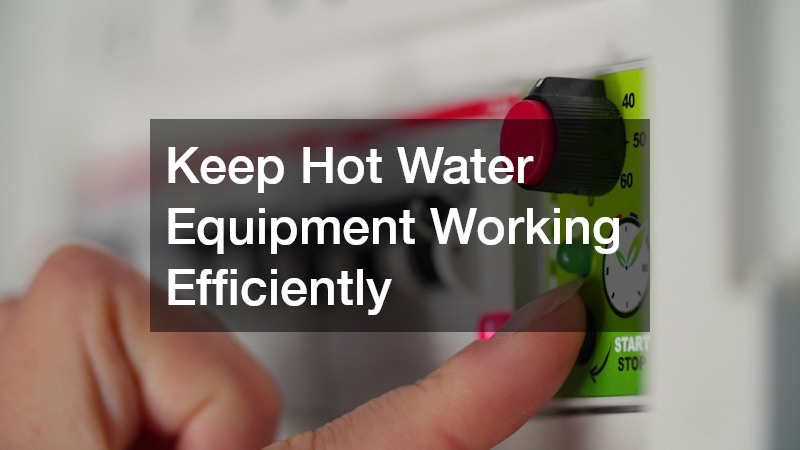
Hot water is easy to take for granted until it runs cold too quickly, smells unusual, makes noise, or stops working altogether. Water heating equipment needs routine care to perform efficiently and last as long as possible. The right maintenance steps depend on the type, age, water quality, and household demand.
Sediment buildup is a common issue, especially in homes with mineral-heavy water. Over time, sediment can settle in the tank, reduce efficiency, create popping or rumbling sounds, and shorten equipment life. Flushing the tank according to the manufacturer’s recommendations can help, though older units or neglected systems should be handled carefully to avoid creating leaks. Tankless units also require maintenance, often including descaling, especially in areas with hard water.
Temperature settings are another important consideration. Water that is too hot can increase scalding risk and energy use, while water that is too cool may not meet household needs. Homeowners should also check for leaks around the base of the unit, corrosion near connections, inconsistent temperatures, rusty hot water, or moisture around valves. These signs may indicate that service or replacement is needed.
Professional water heater installation is important when it is time to replace old equipment. The unit must be sized correctly for the household, installed according to code, vented properly if gas-powered, and connected safely to the home’s electrical, gas, and water lines. Poor installation can lead to performance problems, safety hazards, and reduced equipment lifespan.
The broader plumbing system also affects hot water performance. Long pipe runs, poorly insulated lines, pressure problems, and mineral buildup can all reduce comfort and efficiency. Insulating hot water pipes, fixing leaks, and addressing pressure concerns can help the system deliver hot water more reliably. If you are upgrading equipment, ask whether other improvements could help maximize performance.
Prevent Damage During Repairs, Renovations, and Outdoor Projects
Many water system problems begin during home improvement projects. Digging, remodeling, fixture replacement, landscaping, and equipment upgrades can accidentally damage lines or expose weaknesses in older systems. A little planning before work begins can prevent expensive mistakes.
Before digging outdoors, homeowners should identify buried utilities and water lines. Even small projects such as installing fence posts, planting trees, building patios, or improving drainage can create risk if underground infrastructure is nearby. Striking a water line can interrupt service, flood the area, and require urgent repairs. It is also wise to keep heavy equipment away from sensitive components whenever possible.
Well drilling is a specialized project that should only be handled by a qualified plumbing company. Whether a new water source is being installed or an old one is being replaced, the work must account for location, depth, soil and rock conditions, water yield, contamination risks, and local regulations. Homeowners should ask about permits, testing, sealing, and how the new source will connect to the rest of the home’s system.
During indoor renovations, be careful when opening walls, replacing cabinets, moving laundry areas, finishing basements, or installing new bathrooms. Pipes, valves, drains, and supply lines may need to be relocated or upgraded. A handyman service can often help with small tasks such as fixture replacement, caulking, access panel installation, or minor repairs. However, specialized water line work, major fixture relocation, pump issues, and code-related installations should be left to licensed professionals.
Good communication is essential when multiple contractors are involved. Make sure everyone understands where water lines, shutoff valves, treatment equipment, and pressure tanks are located. If a project affects water demand, such as adding a bathroom or irrigation system, evaluate whether the existing setup can support the change.
Keep Your Water System Safe, Efficient, and Ready for Daily Use
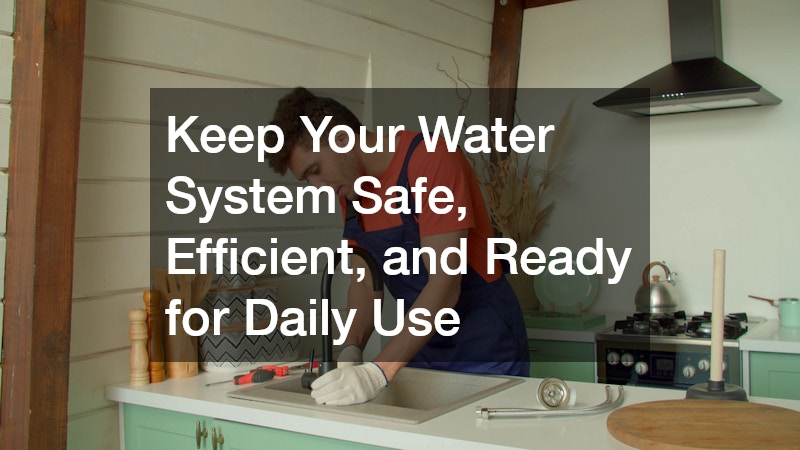
Caring for a home water system is one of the best ways to protect comfort, property value, and peace of mind. Clean, reliable water depends on many connected parts, from the source and delivery equipment to pipes, treatment systems, fixtures, and appliances. When those parts are inspected and maintained regularly, homeowners are far less likely to face sudden disruptions or costly damage.
The most effective approach is proactive. Test water before problems become obvious. Watch for pressure changes, stains, odors, leaks, and unusual sounds. Keep records so you understand the age and history of your equipment. Prepare for seasonal risks, especially freezing temperatures and heavy rain. Bring in qualified professionals when a project or repair requires specialized knowledge.
With consistent care, your home’s water system can remain dependable for years. A clear maintenance schedule, a basic understanding of warning signs, and timely repairs can help you avoid emergencies and keep water flowing safely whenever your household needs it.