

The bathroom is one of the most critical spaces in any home, functioning as a personal sanctuary that sits at the intersection of complex water supply lines, high-volume drainage systems, structural moisture barriers, and delicate climate controls. When a bathroom component fails, it disrupts the flow of the entire household, and a minor issue can quickly spiral into an expensive emergency that damages flooring, fosters mold growth, and compromises hygiene. Understanding how your bathroom operates, from the fixtures you see to the hidden networks running beneath the floorboards and inside the utility closet, is the key to maintaining a stress-free home. This comprehensive guide is designed to help you decode common bathroom mysteries, provide clear action steps for troubleshooting, and establish exactly when a homeowner can confidently handle a fix or when it is time to call for specialized assistance.
Diagnosing and Fixing Minor Fixture Problems

Bathroom fixtures experience constant daily physical use, making them highly susceptible to wear and tear. Over time, the internal components of handles, spouts, and valves degrade due to friction, high water pressure, and mineral deposits. Addressing these small mechanical failures immediately keeps your utility bills low and prevents hidden water damage from rotting the subflooring beneath your vanities.
Taming the Constant Drip from Your Sink or Shower
A persistent drip from a faucet or showerhead is rarely a structural disaster, but it is an immense waste of water resources. Most modern faucets utilize cartridges, ball valves, or ceramic discs to regulate water flow. When a leak occurs, it is usually because an internal rubber washer or O-ring has dried out, cracked, or become coated in mineral scale.
Taking care of a faucet leak as soon as you notice it prevents the water from carving grooves into the metal valve seat, an advanced form of damage that eventually requires replacing the entire fixture body rather than a simple rubber seal. To fix it, isolate the water supply beneath the sink, disassemble the handle, remove the cartridge with an adjustable wrench, and replace any cracked or degraded rubber seals before reassembling the unit.
Maximizing Visual Space and Tackling Stubborn Fog
The atmosphere of a bathroom depends heavily on how it handles light and moisture. Condensation is an inevitable byproduct of hot showers, but when moisture clings to surfaces for extended periods, it limits functionality and creates a breeding ground for surface mildew. To manage heavy condensation, ensure your exhaust fan is completely free of dust buildup and is running efficiently during every shower.
Choosing a high-quality mirror with an integrated heating pad is another highly effective modern upgrade. These specialized models connect directly to your light switch or a dedicated button, warming the glass slightly above room temperature so that condensation cannot form at all during a hot shower.
Overcoming Stubborn Drainage and Pipe Blockages
Every drop of water that enters the bathroom must exit through a dedicated drainpipe. Because bathroom drains are regularly exposed to a combination of hair, soap scum, skin oils, and toothpaste, they form sticky matrices inside the pipe walls that slow down drainage and eventually cause complete blockages.
Clearing Immediate Clogs with Household Tools
When water begins pooling around your ankles in the shower or filling up the sink basin, the blockage is often located within the first few feet of the drain trap. Homeowners can typically resolve these shallow clogs using simple mechanical methods without needing to resort to harsh chemical cleaners.
-
The Hair Snare Method: Insert a flexible, plastic drain-cleaning tool with small, upward-pointing barbs into the pipe, then twist and pull straight up to extract clumped hair.
-
The Plunging Technique: Use a flat-bottom cup plunger for sinks and an extended rubber flange plunger for toilets. Ensure there is enough water in the basin to cover the rubber cup, block the overflow drain with a damp cloth, and apply firm, rhythmic vertical plunges.
-
The Natural Emulsion Flush: Pour half a cup of baking soda down the drain, followed immediately by one cup of white vinegar. Let the mixture fizz for fifteen minutes to break up organic oils, then flush the line with boiling water.
When DIY Fails: Clearing Mainlines Deep in the System
If multiple plumbing fixtures across your bathroom are backing up simultaneously, or if flushing the toilet causes water to gurgle up into the nearby bathtub, the clog is located deep within the main branch line or the primary waste stack. For these deep-seated structural blocks, localized snaking or plunging is rarely enough to solve the problem permanently.
Securing professional drain cleaning is the safest way to clear out hardened grease, invasive tree roots, and decades of scale buildup. Specialists use advanced tools like motorized sewer augers or high-pressure hydro-jetting systems that spray water at thousands of pounds of pressure per square inch, completely restoring the pipe’s original flow capacity without harming old plumbing joints.
Navigating Major Underground Pipe Restorations
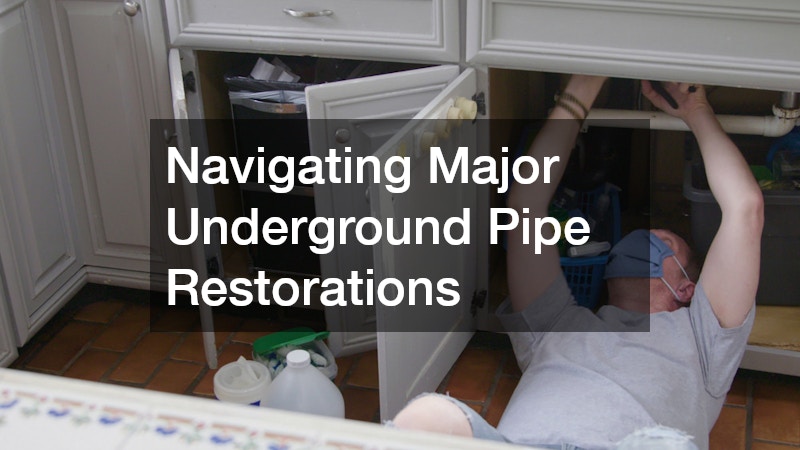
The pipes running under your home’s foundation or buried deep beneath your lawn are the literal structural backbone of your waste management system. Over several decades, shifting soil, heavy vehicle traffic overhead, and the relentless search for moisture by tree roots can cause underground sewer lines to crack, sag, or collapse entirely.
Spotting the Warning Signs of Main Line Failure
Because your main line is buried deep underground, you must learn to read the subtle environmental signs that indicate a major compromise in your waste line. Look for localized patches of grass that are suddenly much greener, taller, or faster-growing than the surrounding lawn, as leaking raw sewage acts as a rich, moisture-heavy fertilizer. You might also notice sudden indentations, damp sinkholes, or soft spots developing in your yard along the path where your main line runs toward the street.
Historically, fixing a broken underground pipe meant bringing heavy excavators into your yard, digging a massive, destructive trench straight through your landscaping, driveways, or patios, and physically replacing the broken sections. This traditional approach is incredibly disruptive and adds thousands of dollars in landscaping restoration costs onto the core plumbing bill.
Modern Pipe Restoration Technologies
Fortunately, trenchless technology has changed how subterranean pipe repairs are handled. Instead of digging up the entire length of a damaged line, technicians can now access the pipe through a single small entry point and rebuild the interior of the existing line from the inside out using structural lining.
Technicians run a high-definition, waterproof camera through the line to identify the exact location of cracks, clear out the debris with a high-speed scraper, and pull a flexible textile sleeve coated in epoxy resin into the old pipe using compressed air. An internal bladder is then inflated, pressing the wet resin firmly against the walls of the old, cracked pipe until it hardens into a seamless shell. Opting for sewer pipe lining creates a seamless, jointless, and highly durable fiberglass-like pipe directly inside your old damaged line, extending the life of an underground system by several decades without destroying your front yard.
Maintaining Water Heaters and Waste Storage
A perfectly functional bathroom is useless without an uninterrupted supply of hot water and a reliable place for wastewater to go. The systems responsible for these tasks usually sit far away from the bathroom itself—tucked into a basement, utility closet, or buried out in the yard—but their performance dictates the daily functionality of every tap in your home.
Maximizing the Lifespan of Your Hot Water System
Water heaters work constantly to maintain a steady reservoir of hot water. As municipal or well water is heated inside the tank, dissolved minerals like calcium and magnesium naturally precipitate out of the liquid and settle directly onto the bottom of the tank liner. This sediment layer acts as a thermal barrier, forcing the heating elements or gas burners to work significantly harder, which eventually weakens the steel weld joints and leads to a structural failure.
To preserve your hot water system and avoid sudden cold showers, attach a standard garden hose to the drain valve at the base of your water heater annually and flush out accumulated mineral sludge until the water runs clear. Investing time into regular maintenance or organizing a timely water heater repair prevents minor mechanical glitches—such as a failed thermocouple or a burned-out electric element—from turning into a major flood that ruins your surrounding flooring.
Managing Off-Grid Waste Systems Responsibly
For homes that are not connected to a municipal sewer grid, a private septic system handles all household waste. Inside the underground tank, solids settle to the bottom to form a sludge layer, while lighter greases float to the top to create a scum layer. The clear liquid in the middle flows out into a dedicated drainfield, where soil bacteria naturally purify the water.
To protect this system, avoid flushing household wet wipes, feminine hygiene products, or harsh chemical bleach down your toilet, as these items do not break down naturally and kill off beneficial bacteria. Arranging for regular septic tank pumping every three to five years is an essential maintenance task. Neglecting this service allows the thick sludge layer to rise high enough to exit the tank, which quickly plugs up your drainfield pipes and forces raw sewage to back up into your lowest bathroom drains.
Optimizing Bathroom Climate and Water Heating with Fuel Systems

Maintaining a comfortable bathroom involves more than just working pipes; it requires keeping the space warm and ensuring your heating appliances have a steady, reliable source of fuel. In regions with harsh winters, the home’s heating infrastructure is directly linked to the safety and functionality of the bathroom’s plumbing network.
Ensuring Consistent Heat and Hot Water in Cold Climates
Many homes rely on central oil-fired boilers or furnaces to provide both interior space heating and domestic hot water. A boiler system circulates hot water through baseboard radiators, radiant floor heating coils, or specialized towel warmers inside the bathroom, keeping the tile floors warm and preventing drafty chills. Relying on premium home heating oil keeps your baseline water temperature steady, even during peak winter usage, and ensures your system burns clean and hot, reducing the volume of soot accumulation inside the heat exchanger.
Monitoring your supply of fuel oil protects the boiler components from pulling air or debris from an empty tank, which can cause intermittent system shutdowns and leave your home without heat. If a tank is filled with subpar fuel or allowed to sit partially empty for long periods, condensation can build up inside the steel tank walls, causing water to pool at the bottom, freeze inside the exposed lines, or corrode the storage system.
Eliminating the Risk of Running Out of Fuel Mid-Winter
Running out of heating fuel during a freezing winter storm is a severe structural threat to your entire home. If your heating system shuts down unexpectedly, indoor temperatures can plunge below freezing within a matter of hours, causing water-filled pipes running through exterior walls or uninsulated crawlspaces to freeze, expand, and split. Once the house warms back up, the ice thaws, resulting in a catastrophic, high-pressure flood that can destroy drywall and warp bathroom cabinetry.
To completely eliminate the human error of forgetting to check your tank gauge before a major freeze, setting up automatic oil deliveries is an excellent preventative step. Heating providers use specialized software that tracks regional weather patterns and calculates your household’s historical consumption rate to estimate your tank level. This allows them to schedule a delivery truck to refill your home before your supply drops into a dangerous zone, keeping your bathroom safe, warm, and dry all winter long.
Knowing When to Partner with Local Experts

The modern DIY movement empowers homeowners to take control of their spaces, save money, and learn useful manual skills. However, successful home maintenance requires recognizing the line where a fun weekend project ends and a dangerous, code-violating hazard begins.
The Boundaries of Safe DIY Project Management
While replacing a showerhead, recaulking a bathtub joint, or swapping out an old sink faucet are excellent entry-level DIY tasks, larger plumbing alterations carry significant risk. For example, connecting a copper pipe directly to a galvanized steel pipe creates a chemical reaction known as galvanic corrosion, which quickly causes a major structural leak hidden inside your walls. Furthermore, major structural re-piping, moving a toilet location, or installing structural drain lines generally requires local building permits and official code inspections. Performing this work without formal authorization can void your homeowners’ insurance policy and complicate home sales down the road.
Selecting the Right Emergency Assistance
When an overnight pipe burst occurs or when sewage begins backing up into your shower basin, finding a contractor should not be a rushed, high-stress decision. Homeowners should actively build a relationship with a trusted professional before an actual emergency takes place. Always verify that the business holds an active master plumber license, carries substantial general liability insurance, and features positive neighborhood reviews on independent platforms. Establishing a relationship with a reliable local plumbing service guarantees rapid response times during an overnight plumbing disaster, giving you immediate access to skilled technicians who can diagnose complex issues quickly and offer reliable warranties on their repairs.
Maintaining a fully functional, comfortable bathroom requires a blend of consistent preventative maintenance, smart diagnostic habits, and an understanding of the systems that power your home. By taking care of small issues like minor drips early, protecting your drains from damaging clogs, and understanding the vital connections between your hot water, waste management, and heating systems, you can easily prevent minor inconveniences from escalating into costly repairs. While taking care of basic maintenance tasks yourself is a rewarding way to manage your property, knowing when to call in specialized professionals ensures your home stays code-compliant, safe, and efficient. Treat your bathroom’s underlying infrastructure with care, perform routine inspections annually, and your home will reward you with decades of reliable comfort and structural integrity.