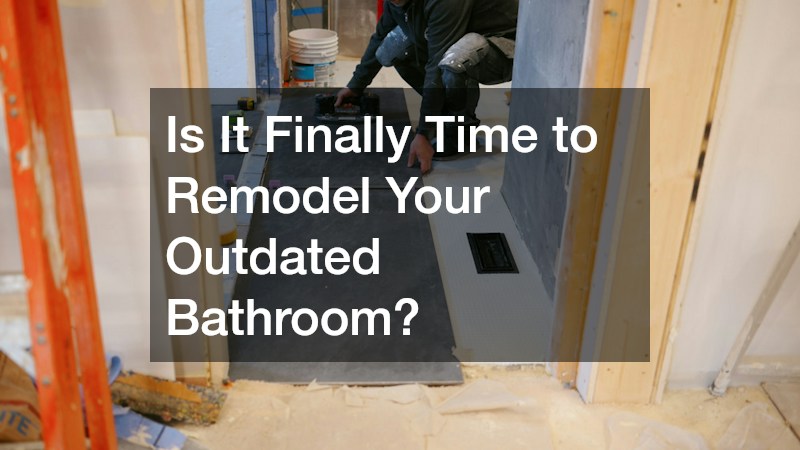

The bathroom is one of the most frequently used spaces in a home, and its functionality and aesthetics significantly impact your daily routine. Investing in remodeling this essential area can improve comfort, enhance your home’s value, and reflect your personal style.
1. How to Choose the Right Bathroom Remodeler?
A. Identifying Qualified Professionals
Selecting a competent bathroom remodeler is crucial to the success of your remodeling project. Consider researching and identifying professionals who specialize in bathroom renovations, as they possess the necessary skills and experience. Talking to previous clients and examining their past work can provide valuable insights into their expertise and reliability.
Another aspect to consider when choosing a bathroom remodeler is their certification and affiliations with trade organizations. Being certified ensures that the remodeler follows standards and best practices in the industry. Memberships in reputable organizations indicate a commitment to ongoing professional development.
B. Comparing Prices and Portfolios
Once you have a shortlist of potential bathroom remodelers, comparing their prices and portfolios is the next step. Request detailed quotes from each contractor to understand the cost scope and ensure it aligns with your budget. A comprehensive quote should include material costs, labor charges, and contingencies for any unexpected expenditures.
Examining the portfolios of potential remodelers will help assess their style and craftsmanship. Look for variety and creativity in their past projects to determine if their design sensibilities align with your vision. An experienced contractor will have a diverse portfolio showcasing innovative and quality work.
2. What to Look for in a Bathroom Remodeling Contractor?
A. Contractor Credentials and Experience
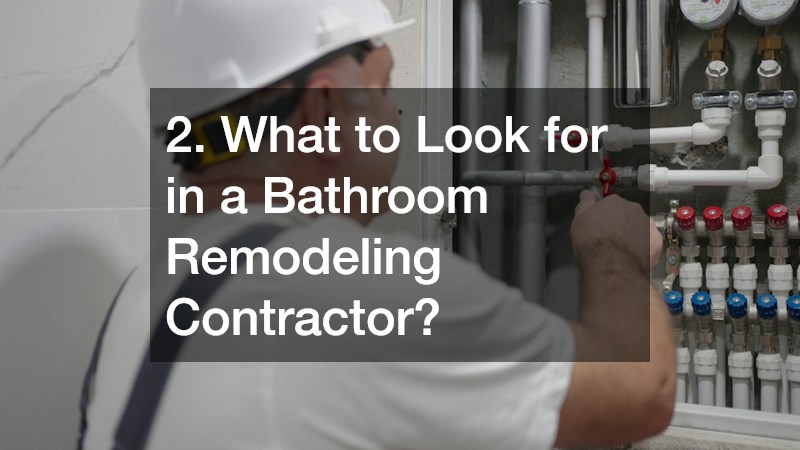
When hiring a bathroom remodeling contractor, it’s essential to verify their credentials and experience. Ensure the contractor holds the necessary licenses and insurance to protect you from any legal liabilities. Experienced contractors are likely to navigate potential challenges more efficiently and deliver high-quality outcomes.
The years of experience a contractor possesses matter significantly in bathroom remodeling projects. An experienced contractor has honed their skills through handling varied project scales and complexities. They are well-versed in managing timelines and resources effectively, ensuring your project is completed on time.
B. Customer Reviews and Testimonials
Customer reviews and testimonials offer a practical resource in assessing a bathroom remodeling contractor’s reputation. Online platforms such as Google and Yelp feature patron feedback that can paint a truthful picture of a contractor’s strengths and weaknesses. Consistently positive reviews may indicate reliability and customer satisfaction.
It’s also beneficial to ask contractors directly for testimonials or references. Speaking to past clients allows you to ask specific questions regarding their experience with the contractor. This method can yield honest insights into the contractor’s communication style, reliability, and adherence to budgets.
3. Bathroom Remodeling: Where to Start?
A. Assessing Your Bathroom Needs
Before embarking on a bathroom remodeling project, it is crucial to assess your needs. Consider aspects such as storage, layout, and design preferences to create a space that is both functional and aesthetically pleasing. Evaluating what works and what doesn’t in your current bathroom setup can provide a roadmap for your remodel.
Functionality should be at the forefront of your assessment. Think about how you use your bathroom daily and what improvements can enhance this experience. For instance, if storage is an issue, explore creative cabinetry options or built-in solutions that maximize space efficiently.
B. Setting a Budget and Timeline
Establishing a clear budget and timeline for your bathroom remodeling project is essential to prevent overspending and delays. Begin by identifying the scope of work and obtaining estimates from multiple contractors. A well-defined budget will help manage financial expectations and guide decision-making throughout the remodel.
The timeline should be realistic, accounting for potential delays in materials or unforeseen issues. Discuss your expectations with your chosen bathroom remodeling contractor to ensure alignment. Sticking to a timeline requires effective coordination, so regular communication with your contractor is key.
4. Are Granite Countertops a Good Choice for Bathrooms?
A. Pros and Cons of Granite in Bathrooms
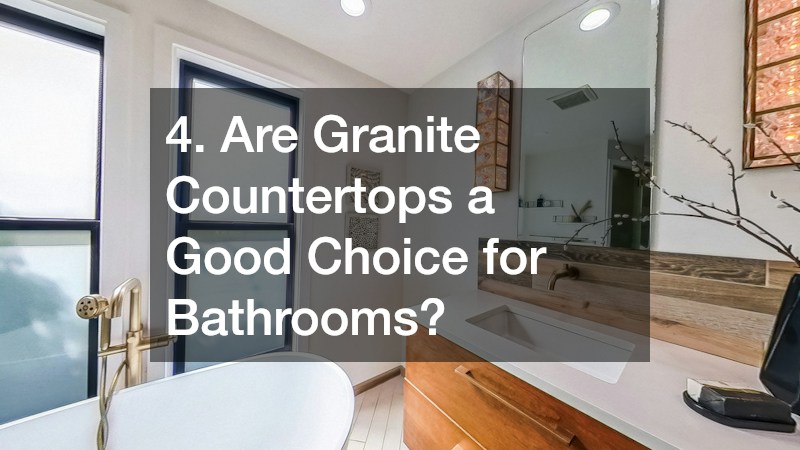
Granite countertops are a popular choice for bathroom remodeling due to their durability and aesthetic appeal. The natural stone offers a luxurious look and can withstand daily wear and tear. However, granite is a premium material, which may not suit all budgets.
While granite adds value to a home, it does have some drawbacks, such as its porous nature. It can stain if not sealed properly, and the initial investment is higher compared to other materials. Nevertheless, for those willing to invest, granite countertops can provide a timeless look that enhances a bathroom’s overall appearance.
B. Maintenance and Care Tips
Proper maintenance is vital to preserving the beauty of granite countertops in bathrooms. Regular sealing ensures that the surface remains resistant to stains and moisture. Cleaning with mild, non-abrasive solutions can prevent scratches and maintain the sheen of the stone.
It’s essential to wipe up spills immediately to avoid potential staining. Using a soft cloth for cleaning and avoiding acidic or harsh chemicals can extend the life of granite countertops. With consistent care, granite can remain a stunning feature in any bathroom for many years.
5. Which is Better: Granite or Quartz Countertops?
A. Comparing Durability and Aesthetics
Both granite and quartz countertops are durable options for bathroom remodeling, but they offer distinct characteristics. Granite is a natural stone renowned for its unique patterns, providing each countertop with a one-of-a-kind look. Quartz, on the other hand, is engineered, offering more uniformity and a wider range of colors.
In terms of durability, quartz countertops have a slight edge as they are non-porous and don’t require sealing. This makes them resistant to stains and easier to maintain. Granite, while durable, can chip or scratch under heavy impact, though its natural patterns can disguise minor flaws more effectively than quartz.
B. Cost Considerations
The cost of granite and quartz countertops can vary depending on the specific style and quality. Granite typically has a wider range of price points, offering options for both budget-conscious homeowners and those seeking high-end materials. Quartz is generally more consistently priced, reflecting its growing popularity and demand in bathroom remodeling projects.
For those prioritizing budget, careful selection of slab remnants or less exotic granite varieties can reduce costs. Ultimately, the choice between granite and quartz should align with your aesthetic preferences, practical needs, and financial considerations. Both options can add elegance and value to a bathroom remodel.
6. When Should You Consider Water Heater Repair?
A. Identifying Common Issues
Water heaters are essential for a comfortable bathroom experience, and identifying signs of dysfunction is crucial for timely repair. Common issues include inconsistent water temperature, leaks, and unusual noises during operation. Regular maintenance checks can prevent these problems from escalating into costly repairs or replacements.
Pay attention to water quality and pressure changes, as these can indicate potential problems with your unit. If your water heater is more than a decade old, it may be less efficient and prone to breakdowns, making repair or replacement considerations timely. Consulting with a plumber experienced in water heater repair can offer options tailored to your unit’s condition.
B. Costs and Benefits of Repairing vs. Replacing
Deciding between repairing a water heater and investing in a new one depends on the severity and frequency of issues. Minor repairs, such as replacing faulty components, can extend the unit’s lifespan at a lower cost. However, frequent repairs or major failures may justify the expense of a new, more energy-efficient unit.
While a replacement may initially seem costly, upgrading to a modern unit can reduce energy bills and improve performance. New water heaters often come with enhanced features, including better insulation and eco-friendly technology. Weighing long-term savings against upfront expenses can guide the decision, ensuring continued comfort and efficiency.

7. How to Incorporate a Glass Shower in Your Remodel?
A. Selecting the Perfect Design
Incorporating a glass shower in your bathroom remodel can enhance both functionality and aesthetics. Glass showers create a sense of spaciousness and contemporary charm, making the bathroom appear larger and more inviting. Selecting the right design involves considering the existing space, layout, and overall style of your bathroom.
Options include frameless, semi-frameless, and framed glass showers, each offering distinct visual and functional benefits. Frameless designs provide a sleek, modern look, while framed versions may offer additional stability and lower cost. Tailoring the glass shower design to fit your specific needs ensures an elegant result that complements the rest of the remodel.
B. Installation Considerations
Proper installation is crucial to ensure the safety and longevity of a glass shower. Hiring professional installers with experience in glass shower installations can prevent common issues such as leaks and improper fitting. High-quality materials, such as tempered glass, offer increased safety by shattering into small, less harmful pieces if broken.
Sealing the edges effectively with silicone or other waterproofing materials is vital to keeping moisture contained within the shower space. Attention to detail during installation can prevent future maintenance headaches and ensure a lasting addition to your newly remodeled bathroom. Professional guidance can streamline the process and deliver flawless results.
8. What to Know Before Installing a New Shower Door?
A. Types of Shower Doors
Choosing the right shower door for your bathroom remodel involves considering the available space and design preferences. Different types of shower doors include sliding, hinged, pivot, and bi-fold doors, each offering unique advantages and limitations. Sliding doors are ideal for smaller bathrooms as they don’t require additional space to open.
Hinged doors provide a classic look and can open either inward or outward, while bi-fold doors are practical for compact spaces. Pivot doors, with their 360-degree opening capability, offer flexibility but require more clearance. Understanding these options ensures you select a shower door that complements both function and style in your bathroom.
B. Measurement and Installation Tips
Accurate measurement is crucial when installing a new shower door to ensure a perfect fit and proper functionality. It is advisable to measure the width and height of the shower enclosure accurately, and verify these dimensions with the manufacturer’s specifications. Missteps in measurement can lead to costly delays and the need for adjustments.
9. Shower Enclosures: What Are Your Options?
A. Different Materials and Styles
Choosing the right shower enclosure involves an exploration of various materials and styles that best suit your bathroom remodel. Options include glass, acrylic, and tiles, each offering distinct benefits and aesthetic appeal. Glass enclosures are favored for their modern look and ability to make the bathroom appear more open.
Acrylic is a cost-effective and durable choice that retains heat well, while tiles offer a customizable approach with an array of colors and patterns. The style selected should complement your bathroom’s overall design and cater to your functional needs. Exploring different materials and styles allows for a personalized and cohesive bathroom remodel.
B. Custom vs. Prefabricated Enclosures
When deciding between custom and prefabricated shower enclosures, consider factors such as budget, space, and desired aesthetics. Prefabricated enclosures offer convenience and typically lower costs, with a range of standard options suitable for most bathroom designs. They offer quick installation but may lack uniqueness.
10. How to Find a Reliable Plumber for Your Remodel?
A. Checking Licenses and References
Securing a reliable plumber is key to ensuring the success of your bathroom remodel. Begin by verifying that potential plumbers hold the appropriate licenses and certifications necessary for performing plumbing work in your area. Licensed plumbers comply with industry standards and local regulations, assuring quality workmanship.
References from past clients offer insight into a plumber’s reliability, professionalism, and skill level. Contacting previous customers enables you to learn about their experiences firsthand, ensuring the plumber’s track record aligns with your expectations. A dependable plumber is integral to achieving a smooth and efficient remodel.

11. What Are the Latest Trends in Bathroom Remodeling?
A. Popular Design Elements
Staying informed about the latest trends in bathroom remodeling can inspire innovative design ideas. Popular elements include minimalist designs, that emphasize simplicity and clean lines, and spa-like features such as rain showers and steam rooms. Materials like granite countertops and quartz countertops remain favorites, combining elegance with durability.
B. Integrating Smart Technology
The rise of smart technology in bathroom remodeling presents a range of possibilities for enhancing convenience and efficiency. Features such as digital showers offer personalized water temperature and flow settings, while touchless faucets improve hygiene and water conservation. Smart mirrors with integrated displays provide information, lighting adjustments, and connectivity.
Conclusion
From choosing the right bathroom remodeler to selecting materials and incorporating the latest trends, each decision influences the result and value added. A successful bathroom remodel enhances comfort, aesthetics, and property value.