
Water intrusion in a home can escalate quickly from a minor inconvenience into a major structural and financial issue. Whether caused by plumbing failures, severe weather, or appliance malfunctions, water-related incidents often require a structured response to limit long-term damage. Understanding the fundamentals of water damage remediation helps homeowners respond more effectively and reduce the likelihood of secondary issues such as mold growth or material deterioration. This article breaks down the key causes, identification methods, and restoration steps involved in addressing water damage in residential properties.
What Are the Common Causes of Water Damage in Homes?
One of the most frequent sources of water damage is internal plumbing failure. Pipes can degrade over time due to corrosion, pressure fluctuations, or shifting building materials. Small leaks may go unnoticed for extended periods, gradually affecting walls, flooring, and structural components. More severe failures, such as burst pipes, can release large volumes of water in a short time, requiring immediate intervention and systematic water damage remediation to reduce saturation and prevent further deterioration.
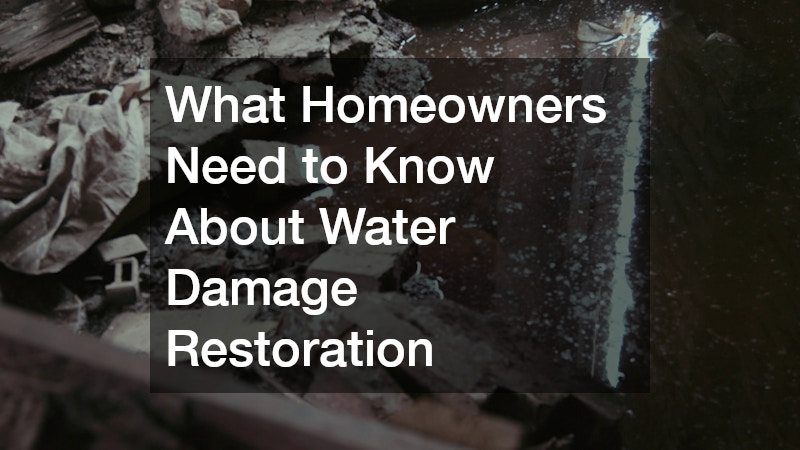
Extreme weather events are another leading cause of residential water intrusion. Hurricanes, heavy rainfall, and flooding can overwhelm drainage systems and allow water to enter living spaces through foundations, windows, or roofing structures. In these cases, water damage remediation becomes more complex due to the scale of contamination and the potential for structural weakening. Water from natural disasters often carries debris and contaminants, increasing the urgency of removal and sanitation efforts.
Household appliances such as washing machines, dishwashers, water heaters, and refrigerators with water lines can all contribute to water damage when they malfunction. Hose failures, internal leaks, or drainage issues may release water into surrounding flooring and cabinetry. Even small, repeated leaks can lead to significant hidden damage over time. Prompt water damage remediation helps limit long-term impacts such as warping, mold growth, and insulation damage.
How Do You Identify and Assess Water Damage?
Early detection plays a critical role in minimizing repair costs and structural issues. Common indicators include wall or ceiling discoloration, bubbling paint, warped flooring, and persistent musty odors. These signs often suggest that water has already penetrated materials and may require professional water damage remediation to prevent further spread or hidden structural deterioration.
Accurate assessment often requires specialized tools designed to detect moisture beyond visible surfaces. Moisture meters, infrared cameras, and hygrometers help identify hidden water pockets inside walls, floors, and ceilings. These tools allow for a more precise understanding of the affected areas, which is essential for effective water damage remediation planning. Without accurate measurement, moisture can remain trapped and lead to recurring issues.
Determining the severity of water damage involves assessing how far moisture has spread and what materials have been affected. Porous materials such as drywall and insulation absorb water quickly and may require removal, while harder surfaces may be salvageable with proper drying techniques. A structured evaluation ensures that water damage remediation efforts are appropriately scaled to the level of damage, reducing unnecessary disruption while addressing all affected areas.
What Steps Are Involved in the Water Damage Restoration Process?
The first step in addressing water intrusion is removing standing water as quickly as possible. Pumps, vacuums, and extraction systems are commonly used to eliminate excess moisture from floors, carpets, and structural cavities. This phase of water damage remediation is critical because prolonged exposure to standing water increases the risk of structural weakening and microbial growth. Rapid extraction helps stabilize the environment for further treatment.
Once water is removed, affected areas must be thoroughly cleaned and sanitized. This step helps eliminate bacteria, contaminants, and potential mold spores that may have been introduced during the water intrusion event. Cleaning solutions and antimicrobial treatments are often applied to surfaces to ensure a safer environment. Effective water damage remediation requires attention to both visible damage and microscopic contaminants that can affect indoor air quality and long-term habitability.
The final stage involves restoring the affected areas to their previous condition. This may include replacing drywall, repairing flooring, repainting surfaces, and addressing structural components that were compromised. The goal of water damage remediation at this stage is to return the home to a safe, functional, and stable condition while preventing recurring issues. Proper restoration also includes identifying and addressing the original source of water intrusion to reduce future risk.
Water damage in residential properties can develop quickly and lead to long-term structural and environmental concerns if not addressed properly. Understanding the causes, recognizing early warning signs, and following a structured restoration process are essential steps in minimizing impact.
Consistent awareness and timely water damage remediation help protect both the integrity of the home and the well-being of its occupants. Homeowners who respond promptly and follow a systematic approach are better positioned to reduce damage severity and maintain a safer living environment over time.