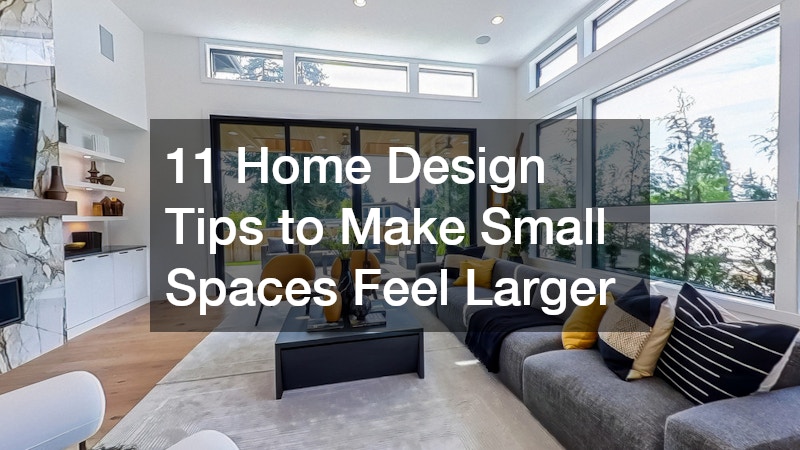

Small spaces often feel cramped and restrictive, but thoughtful design can make a big difference. With the right combination of layout, furniture, color schemes, and finishes, even the tiniest rooms can feel open, airy, and inviting. Every design decision—from lighting choices to storage solutions—affects how spacious a home feels. In this guide, we explore 11 practical tips to help homeowners transform compact spaces into functional and visually appealing areas. Careful planning, professional services, and smart material choices can dramatically change how a room is perceived, creating a sense of openness and comfort.
1. Use Light and Neutral Colors
Light and neutral colors are one of the easiest and most effective ways to make a small room feel larger. Shades of white, cream, beige, soft gray, and pastel tones reflect light, creating an airy and open atmosphere. Darker colors tend to absorb light, making rooms feel more confined, so keeping walls, ceilings, and trim in light tones is ideal. Using a cohesive palette across the room helps unify the space, making it appear uninterrupted and larger than it actually is.
Professional painting services can ensure a smooth, durable finish that enhances brightness and complements other design elements such as furniture, flooring, and cabinetry. Additionally, accent walls or subtle contrasts in furnishings can add depth and visual interest without making the room feel crowded. By combining color strategy with high-quality finishes, homeowners can create a visually expansive environment that balances warmth, style, and openness. Proper color selection also influences mood, helping rooms feel welcoming rather than overwhelming.
2. Maximize Natural Light
Natural light has a profound effect on perceived space. Large windows, skylights, and glass doors allow sunlight to flood interiors, instantly brightening compact rooms and enhancing the sense of openness. Even small windows can have a big impact when left unobstructed or paired with light, sheer curtains. Mirrors placed strategically across from windows amplify sunlight, doubling the effect and making the room feel more expansive.
Choosing functional window solutions from experienced blind companies allows homeowners to maintain privacy while maximizing light flow. Reflective surfaces, minimalistic window treatments, and light wall tones all work together to increase brightness. Maximizing natural light not only improves aesthetics but also reduces energy usage by limiting reliance on artificial lighting. Rooms that are bathed in natural light feel larger, cleaner, and more inviting, making it easier to enjoy and utilize every corner of the space.
3. Choose Multi-Functional Furniture
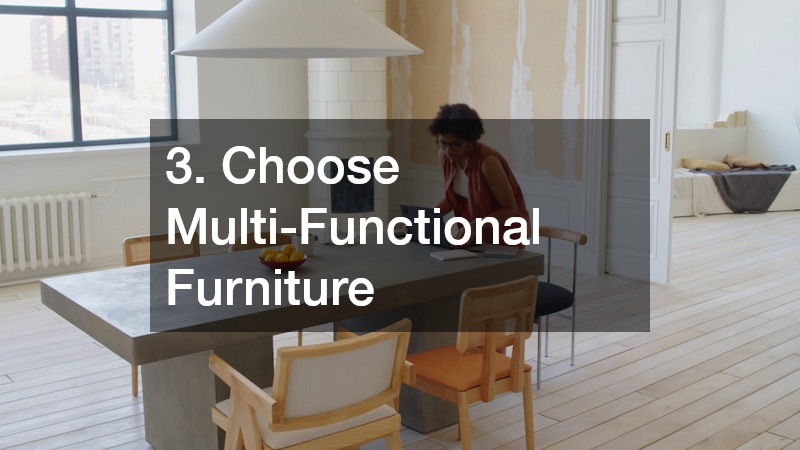
Multi-functional furniture is essential for small homes where space is limited. Items like beds with storage drawers, fold-out desks, and ottomans with hidden compartments reduce clutter while maintaining functionality. Furniture with open-leg designs or transparent materials has a lighter visual footprint, preventing rooms from feeling crowded.
Proper placement is equally important. Arranging furniture to maintain open pathways and visual sightlines creates a sense of depth and freedom. Homeowners working with interior design professionals can select pieces that balance style and practicality, ensuring furniture doesn’t overwhelm the space. Flexible furniture choices also allow rooms to serve multiple purposes, from workspaces to relaxation zones, without compromising comfort. Thoughtful multi-functional furniture creates a seamless blend of utility and aesthetics, making small spaces feel versatile and spacious.
4. Incorporate Custom Storage Solutions
Vertical and built-in storage options are a game-changer in compact homes. Cabinets that reach the ceiling, wall-mounted shelving, and under-stair storage make use of every inch efficiently. Partnering with custom cabinet companies allows homeowners to design storage solutions that fit perfectly while enhancing the overall design aesthetic.
Custom storage helps reduce the need for bulky furniture, leaving more floor space open and improving circulation. Organized storage behind cabinet doors, drawers, or pull-out compartments minimizes visual clutter, making rooms appear larger and more functional. Beyond visual benefits, smart storage increases practicality, allowing homeowners to easily access items without overcrowding surfaces. Combining well-designed storage with minimalist furniture and open layouts creates an organized, airy atmosphere that maximizes both utility and perceived space.
5. Opt for Open Shelving or Floating Cabinets

Traditional, bulky cabinets can make kitchens, bathrooms, or living areas feel constrained. Open shelving and floating cabinets provide storage without taking up visual space, creating a lighter and airier look. Maintaining a neat display on open shelves encourages organization and maximizes functional accessibility.
When paired with quartz countertops, floating or open shelving designs brighten work areas and contribute to a cohesive, contemporary style. Consulting with local bathroom remodelers ensures safe and precise installation while optimizing storage efficiency. Open shelving also allows homeowners to display frequently used items, decorative pieces, or plants without cluttering the room. This design approach balances aesthetics with practicality, subtly increasing the perceived size of small spaces while keeping them stylish and functional.
6. Use Large-Format Flooring
Flooring is a critical element in the perception of space. Large-format tiles or wide planks create fewer seams, giving the illusion of expansive surfaces. Patterns that run diagonally or continuously from room to room can guide the eye along longer sightlines, further enhancing a sense of openness.
Visiting local flooring stores allows homeowners to explore a variety of light, durable materials that complement walls, cabinetry, and furnishings. Matching floor tones with walls enhances continuity and reduces visual fragmentation. Consistent flooring across multiple rooms also creates a cohesive flow that makes transitions seamless. Thoughtful flooring choices not only improve aesthetics but also contribute to the overall perception of space, making even compact areas feel larger and more comfortable.
7. Embrace Minimalist Decor
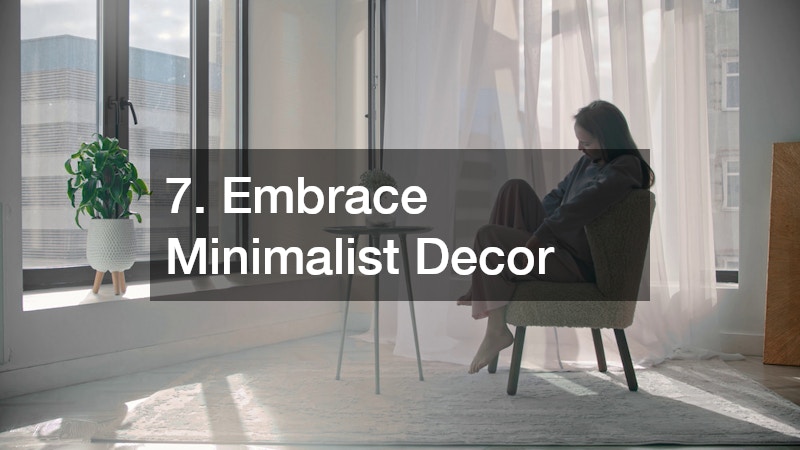
Clutter can make any room feel cramped, no matter its size. A minimalist approach focuses on essentials and streamlines the visual field, using clean surfaces, essential furniture, and carefully selected accents. Multi-purpose furniture, sleek storage solutions, and intentional décor choices contribute to both style and function.
Engaging professional residential design services ensures that layouts and décor work in harmony to maintain openness. Statement pieces should be used sparingly to create visual interest without overcrowding. Minimalism emphasizes negative space, allowing movement and light to flow freely, which can dramatically enhance the sense of size. Intentional minimalism transforms small rooms into open, calm environments that are both functional and aesthetically pleasing.
8. Upgrade to Efficient Cabinets and Countertops
Installing new kitchen cabinets can dramatically transform the look and feel of compact kitchens. Light-reflective surfaces not only prevent dark corners but also bounce natural and artificial light throughout the space, creating an airy, open atmosphere. Thoughtfully designed layouts reduce clutter while maximizing usable workspace, making it easier to move and work efficiently in a smaller kitchen. Features like pull-out drawers, corner organizers, and built-in storage solutions add functionality without occupying extra floor space, ensuring every inch is used effectively.
Collaborating with custom cabinet companies allows homeowners to select cabinets tailored to their kitchen’s dimensions, style, and storage needs. Cabinets can be designed to fit awkward corners, accommodate appliances, and include integrated organizers, ensuring both style and practicality. Choosing the right quartz countertops enhances visual continuity, creating a seamless flow across surfaces that makes the room feel larger and more cohesive.
Additionally, integrating under-cabinet lighting or accent lights above countertops brightens work areas and eliminates shadows, enhancing both usability and the sense of openness. Coordinating finishes, hardware, and cabinetry colors with adjacent spaces further extends the visual footprint, helping the kitchen or bathroom feel connected to the rest of the home. These strategic upgrades not only improve daily functionality but also enhance the overall perception of space, proving that smart design choices can make even compact areas feel spacious, stylish, and inviting.
9. Layer Lighting for Depth and Dimension
Proper lighting is essential to make small spaces feel larger. Natural light is ideal, but artificial lighting can create depth, highlight key areas, and open up darker corners. Layering different types of lighting—ambient, task, and accent—adds dimension and helps rooms appear more spacious. Wall sconces, recessed lighting, and pendant fixtures are all effective tools for directing light where it’s needed without taking up valuable floor space.
Incorporating painting services that enhance reflective surfaces or light-colored finishes complements lighting strategies, helping walls and ceilings bounce light around the room. Combining warm and cool lighting tones strategically prevents a flat, confined feel. Thoughtful lighting placement can also create visual pathways that draw the eye upward or across the room, subtly expanding perceived space. Professional lighting design ensures that every fixture is functional, stylish, and contributes to the overall sense of openness. Effective lighting not only brightens a room but also emphasizes architectural features, furniture arrangements, and décor elements, making small areas feel inviting and comfortable.
Additionally, using mirrors and glossy surfaces in combination with layered lighting amplifies reflections and creates a sense of airiness. Strategic placement of mirrors across from light sources doubles brightness and depth, visually enlarging the space. Layered lighting encourages flexibility too—task lighting can be bright for work areas, while softer ambient lights create a relaxing atmosphere without closing in the room. This multi-faceted approach transforms confined areas into dynamic, functional, and visually appealing spaces.
10. Create Visual Continuity
Visual continuity is about making rooms flow seamlessly into each other. Using similar color schemes, materials, or design motifs in adjoining spaces prevents abrupt transitions that make areas feel smaller. Coordinating residential design elements such as flooring, wall colors, and cabinetry across connected rooms strengthens cohesion and promotes a sense of openness.
Breaking up the visual line with contrasting patterns or colors can make small spaces feel chopped and disconnected. Instead, consistent textures, complementary tones, and continuous surfaces give the illusion of a larger, uninterrupted area. Local flooring stores can advise on materials that enhance continuity while remaining durable and stylish, helping homeowners create cohesive design schemes. This approach also encourages a more relaxed and organized environment where each room supports the overall home aesthetic.
In smaller homes, maintaining continuity with home renovation updates can be particularly effective. For example, matching new kitchen cabinets with adjacent living or dining areas visually extends the space. Similarly, aligning lighting fixtures, door finishes, and window treatments—sometimes sourced from blind companies—ensures harmony. The eye moves effortlessly from one area to the next, reducing the feeling of confinement. By creating a deliberate, cohesive design flow, homeowners can maximize both perceived space and functional comfort throughout their homes.
11. Utilize Reflective and Glossy Surfaces
Glossy and reflective surfaces can significantly increase the perception of space in small rooms. Mirrors, high-gloss cabinetry, and polished surfaces like quartz countertops bounce light around the room, making it appear brighter and more open. Reflective backsplashes in kitchens or bathrooms also add visual depth and help trick the eye into perceiving a larger area.
Incorporating glass or acrylic furniture, metallic fixtures, and glossy finishes on doors or walls can further enhance the effect. Strategic use of reflective materials not only expands visual space but also adds a modern and sophisticated touch to the home. Professional interior design teams can help select surfaces that are functional, durable, and complementary to the existing color palette and décor.
Using reflective surfaces alongside layered lighting maximizes the impact, highlighting both natural and artificial light sources. This combination emphasizes openness and reduces visual clutter. For example, mirrored closet doors or glass cabinet panels in compact areas like hallways or bathrooms create a sense of continuity while improving functionality. By thoughtfully applying reflective finishes throughout the home, homeowners can make even the smallest spaces feel expansive, bright, and welcoming without sacrificing style or practicality.
Maximizing the perceived space in smaller homes doesn’t have to mean sacrificing style or functionality. By implementing strategic design choices—from choosing light, reflective surfaces and layered lighting to creating visual continuity and selecting cohesive materials—you can make even the most compact areas feel open, inviting, and comfortable.
Professional guidance from custom cabinet companies, interior design experts, and trusted local bathroom remodeler or painting services providers can further elevate your design while ensuring practical functionality. Thoughtful selection of materials like quartz countertops, coordinating finishes from local flooring stores, or incorporating solutions from blind companies enhances both aesthetics and usability.
By approaching small-space design with intention and care, you not only improve the visual appeal of your home but also increase its comfort, efficiency, and long-term value. Implementing these 11 home design tips allows homeowners to fully enjoy their spaces while making smart, practical design decisions. With the right strategies and professional support, even compact homes can feel open, airy, and perfectly suited to modern living.