
Key Takeaways:
- Toilet bubbling is usually a sign of plumbing issues such as partial drain clogs, blocked vent pipes, or septic system problems, not just a minor annoyance.
- Bubbling during a flush often indicates trapped air caused by slow drainage, vent blockages, or debris in the pipes.
- Bubbling when other fixtures are used points to pressure or drain issues like blocked vent stacks, clogged main sewer lines, or a failing septic system.
- Identifying the source is key: observe flush behavior, test other fixtures, inspect vent pipes, and check for odors or slow drains.
- DIY fixes work for minor issues: plunging, snaking, or clearing vent blockages can often stop bubbling.
- Professional help is essential for serious problems such as clogged main sewer lines, septic tank failures, or persistent bubbling affecting multiple drains.
- Prevention is the best strategy: regular maintenance, mindful flushing, vent cleaning, hair traps, water softening, and periodic professional inspections can keep toilet bubbling at bay.
Toilet bubbling can be alarming, especially if it seems random or only happens in specific situations. While it might look like a minor annoyance, it’s often a sign of plumbing issues that need attention. In this guide, we’ll explore the common reasons toilets bubble, how to identify the root cause, and practical ways to fix and prevent it.
What Does Toilet Bubbling Mean?
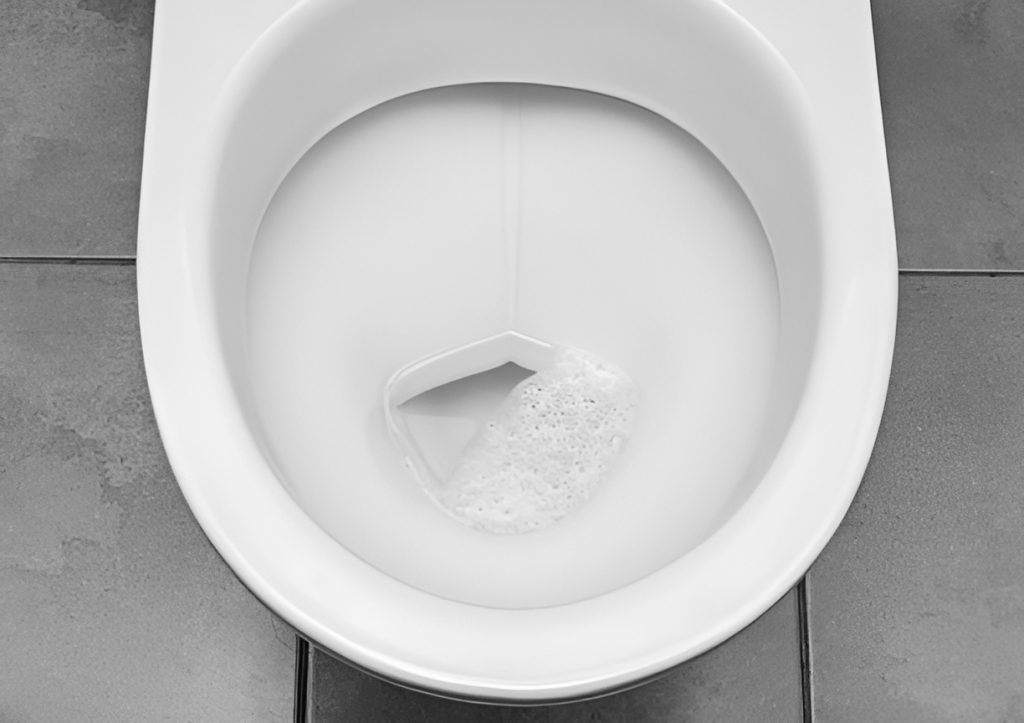
Toilet bubbling usually refers to the gurgling noises or bubbles that appear in the bowl when water is draining elsewhere in your home, such as in the shower, sink, or washing machine. This is often caused by:
- Air trapped in the plumbing system
- Blockages in the drain line or vent stack
- Partial clogs in the sewer line or septic system
Understanding the cause is key because the solution will vary depending on the underlying problem.
Why Is Your Toilet Bubbling When You Flush?
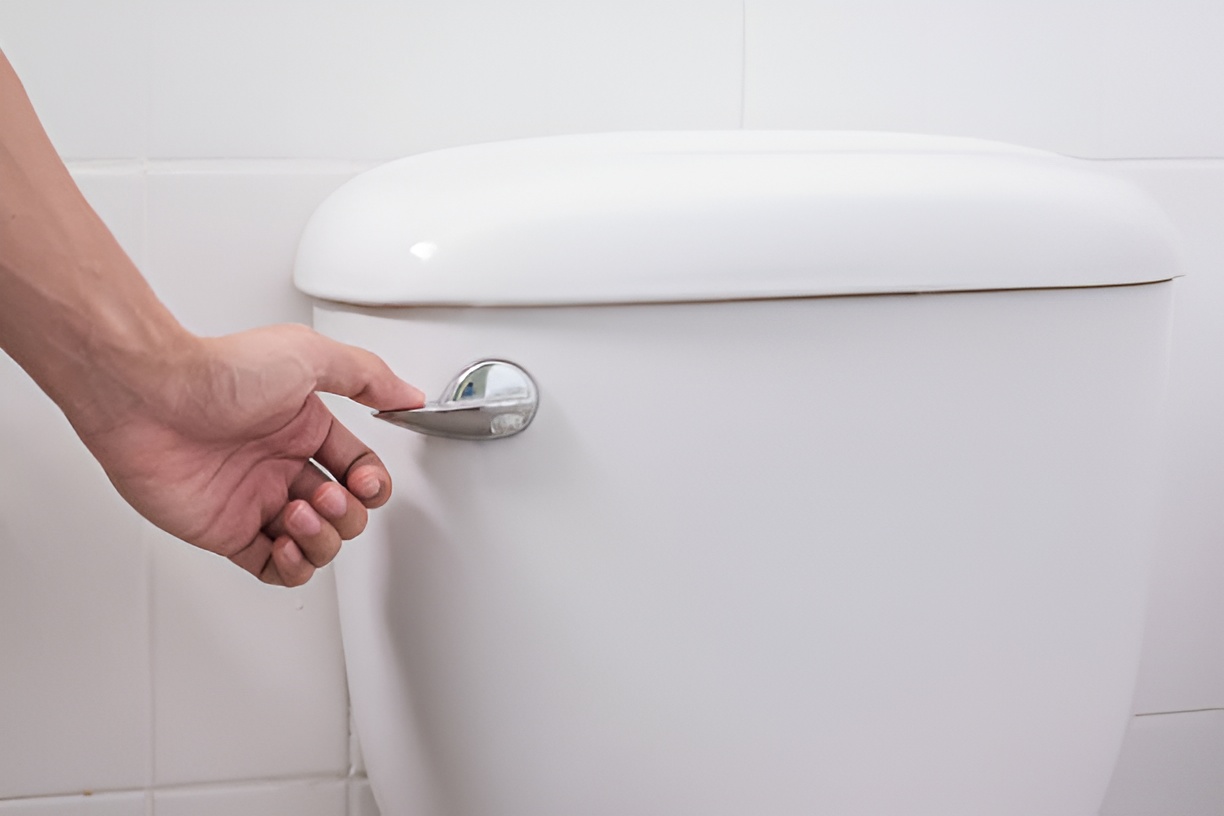
Bubbling during a flush is fairly common, but it often signals that something in your plumbing needs attention. Understanding the potential causes can help you address the problem before it escalates.
Partial Drain Blockages
When waste, toilet paper, or other debris slows the flow of water in your drain pipes, it can trap air. This trapped air then pushes back into your toilet, causing the characteristic bubbling or gurgling sound. Common sources of partial blockages include:
- Accumulated toilet paper or wipes (even “flushable” ones can cause buildup)
- Hair or soap scum entering the toilet from connected sinks or showers
- Small objects accidentally dropped into the toilet
Over time, even minor blockages can worsen, leading to slow draining toilets, increased bubbling, and occasional backups.
Vent Pipe Issues
Plumbing vents are critical for maintaining the proper air pressure in your system. They allow sewer gases to escape and ensure water flows smoothly through pipes. If a vent pipe becomes blocked, air pressure cannot equalize, and water draining elsewhere may force air back into your toilet.
- Blocked vent stacks are often caused by leaves, debris, or even bird nests on your roof.
- In colder climates, ice or snow can temporarily block vents during winter.
- A poorly installed vent may also restrict airflow, contributing to recurring bubbling.
Septic Tank Problems
If your home uses a septic system, a full or failing tank can create similar symptoms. When the tank is overloaded or the drain field is clogged, flushing the toilet can push trapped air or wastewater back into the bowl.
- Signs include slow draining fixtures throughout the house, wet spots around the septic field, or unpleasant odors near the tank.
- Ignoring these symptoms can lead to costly repairs or a complete system failure.
How to Check for Flush-Related Bubbling
To determine whether your flush is causing the issue:
- Observe every flush – note whether bubbling happens consistently or intermittently.
- Check flush speed – a toilet that drains slowly or partially may indicate a partial blockage.
- Inspect other fixtures – sinks or showers backing up during flushes suggest a shared drain line problem.
Documenting these observations will help you decide whether a DIY fix is feasible or if professional help is needed.
Why Does the Toilet Bubble When Other Fixtures Are Used?
One of the most common scenarios homeowners notice is bubbling while another fixture—like a shower or sink—is draining. This usually points to air pressure or drainage issues elsewhere in the system.
Common Causes
Blocked Vent Stack
The vent pipe on your roof allows air into the plumbing system to balance pressure. If it’s blocked:
- Water draining from other fixtures forces air into the toilet.
- Leaves, sticks, bird nests, or debris are often the culprits.
- Symptoms include bubbling, slow drainage, and occasional sewer odors.
Clogged Main Drain Line
Your main sewer line carries wastewater from your entire house. Partial clogs here can:
- Allow air to escape through the toilet instead of the vent
- Cause bubbling in multiple toilets or other fixtures
- Result from hair, soap scum, grease, tree roots, or objects flushed down toilets
Septic Tank Backup
A failing or full septic system can push air and wastewater back into the toilet when water is used elsewhere.
- Slow drains, wet spots, or odors near the tank are telltale signs.
- Regular maintenance is critical to prevent expensive repairs.
How to Test for Fixture-Related Bubbling
- Run water in a nearby sink or shower and watch the toilet for bubbling.
- If it happens only with certain fixtures, the issue is likely a vent or local drain problem.
- If it occurs with multiple fixtures, the main sewer line or septic system may require inspection.
How to Identify a Blocked Vent Pipe
Blocked vent pipes are a surprisingly common cause of bubbling, and clearing them is often straightforward.
Signs of a Blocked Vent
- Toilet bubbles when other fixtures are used
- Sinks and bathtubs drain slowly or gurgle
- Strong sewer odors in bathrooms or near vents
- Gurgling sounds in multiple drains
How to Clear a Vent Pipe
- Inspect the vent on your roof for debris, leaves, or nests.
- Use a plumber’s snake or a garden hose to remove blockages carefully.
- Never flush debris down the vent; these pipes are for air circulation only.
If clearing the vent doesn’t stop the bubbling, the blockage might be further down the line, or there could be additional issues like a clog in the main drain.
Could a Clogged Main Sewer Line Cause Toilet Bubbling?
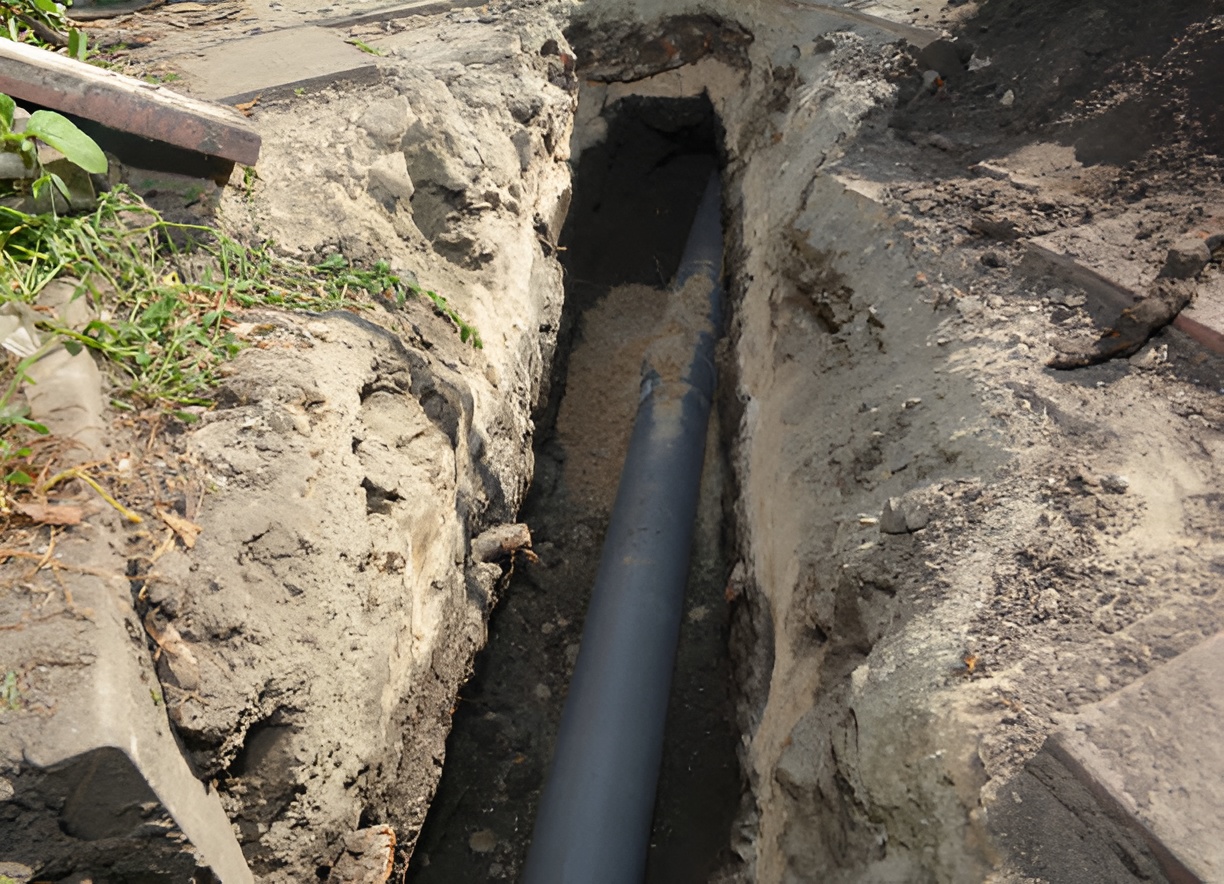
Yes. A clogged main sewer line is more serious because it affects your entire plumbing system.
Signs of a Sewer Line Clog
- Toilets bubble whenever any water drains
- Multiple drains are slow or back up
- Sewer odors inside or outside the home
- Water backing up into sinks, tubs, or toilets
What to Do About a Clogged Sewer Line
DIY Methods for Minor Clogs:
- Use a plunger on toilets or sinks to remove small blockages
- Use a drain snake to remove hair, soap, and small debris
- Avoid chemical cleaners—they can damage older pipes
Call a Professional Plumber if:
- Bubbling persists despite DIY efforts
- Multiple drains are affected
- Raw sewage or foul odors appear
How Does a Septic System Affect Toilet Bubbling?
If you have a septic system, bubbling can indicate that your tank or drain field is overloaded or failing.
Signs Your Septic System Is Causing Bubbling
- Toilet bubbles whenever water is used elsewhere
- Slow-draining toilets and sinks
- Wet spots or unusual smells near the septic tank
- Gurgling sounds in multiple drains
Steps to Fix Septic-Related Bubbling
- Schedule a septic tank inspection and pumping every 3–5 years
- Avoid flushing non-biodegradable items
- Reduce water usage during peak periods to ease pressure on the system
- Ensure the drain field is not flooded or blocked
Can Hard Water Cause Toilet Bubbling?
Hard water itself doesn’t directly cause bubbling, but mineral deposits can restrict water flow and contribute to slow drainage.
- Common buildup locations: toilet jets, drainpipes, and shower/sink lines
- Over time, these deposits can increase the likelihood of bubbling when water drains elsewhere
How to Address Hard Water Issues
- Use a plumbing-safe descaler to remove mineral buildup
- Install a water softener to prevent future buildup
- Regularly clean toilets, shower drains, and sink traps
Is Bubbling a Sign of a Serious Plumbing Problem?
Not always. Minor bubbling may be caused by small blockages or air in the pipes. However, persistent bubbling can signal:
- Partial or complete drain line clogs
- Vent pipe blockages
- Septic system failure
- Sewer line issues
Ignoring these issues can lead to backups, flooding, and expensive repairs.
How to Stop Toilet Bubbling
DIY Fixes for Minor Bubbling
- Plunge the toilet to remove minor clogs
- Snake the drain line to clear hair and debris
- Clean the vent pipe to restore proper airflow
Professional Fixes for Serious Bubbling
- Main sewer line cleaning or repair
- Septic tank pumping and inspection
- Drain pipe replacement if severely clogged or damaged
Preventive Measures
- Regularly inspect and clean vents
- Avoid flushing items that can clog pipes
- Schedule periodic plumbing maintenance
- Use hair traps in showers to reduce debris in drains
How Can You Diagnose Toilet Bubbling Without a Plumber?
- Track when bubbling occurs (flush, shower, washing machine, etc.)
- Check for slow-draining fixtures throughout the house
- Inspect the vent stack for visible blockages
- Note any foul odors or signs of sewage backup
- Test with a plunger or drain snake for minor clogs
Documenting these observations can help a plumber diagnose issues faster and reduce repair costs.
Are Certain Toilets More Prone to Bubbling?
Some older or low-flow toilets may bubble more often due to smaller trapways or weaker flush pressure:
- Older toilets: Smaller trapways and less efficient flushing can lead to slow drainage
- Low-flow toilets: Designed to conserve water, these toilets sometimes don’t push enough water through the system to prevent minor bubbling
Upgrading to a modern, high-efficiency toilet can reduce bubbling if minor clogs or vent issues are contributing factors.
How to Prevent Toilet Bubbling in the Future
- Regular Maintenance: Inspect drains, vents, and sewer lines periodically
- Mind What You Flush: Avoid non-biodegradable items like wipes, feminine products, and paper towels
- Install Hair Traps: Reduce hair and soap buildup in drains
- Septic Tank Care: Pump septic tanks every 3–5 years and avoid overloading with water
- Water Softening: Prevent mineral buildup in pipes and toilets
- Professional Inspections: Have a licensed plumber check your system for early signs of trouble
Final Thoughts
Toilet bubbling is more than just a nuisance—it’s often a warning sign from your plumbing system. By understanding the causes and acting quickly, you can prevent minor issues from turning into major, costly repairs. Whether it’s a simple vent blockage or a serious sewer line problem, addressing the issue early will save you time, money, and stress.
Remember, document when and where bubbling occurs, perform DIY fixes for minor issues, and don’t hesitate to call a professional if the problem persists. With the right approach, you can stop toilet bubbling and keep your home’s plumbing system running smoothly.