

A comprehensive approach to home improvement goes beyond surface-level upgrades or isolated repairs. True improvement considers how every component of a home works together to support comfort, safety, efficiency, and long-term value. When projects are planned in isolation, homeowners often face unexpected costs, repeated disruptions, or mismatched results. A unified strategy reduces those risks and leads to more satisfying outcomes.
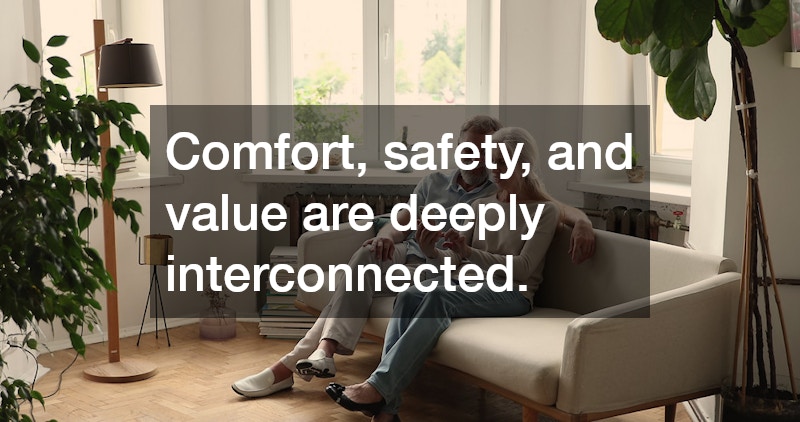
Comfort, safety, and value are deeply interconnected. Improvements that enhance comfort—such as temperature regulation or noise reduction—often improve safety and energy efficiency as well. Likewise, safety upgrades frequently increase property value by protecting structural integrity and reducing future repair needs. Understanding these connections helps homeowners prioritize improvements that deliver lasting benefits rather than temporary fixes.
A coordinated home improvement plan also allows for smarter sequencing of projects. Addressing foundational systems first—such as roofing, electrical, or plumbing—prevents new finishes or upgrades from being damaged by future repairs. This approach minimizes wasted effort and ensures each improvement builds upon a stable foundation. It also helps homeowners avoid overlapping labor costs and unnecessary material replacements.
Before starting any upgrades, homeowners should assess their goals, timelines, and budget realities. It’s also important to consider how today’s improvements will affect future maintenance, resale potential, and adaptability as household needs change. Homes evolve over time, and upgrades should support that evolution rather than limit it.
Working with qualified professionals and conducting thorough evaluations early in the process further strengthens results. Detailed inspections, clear scopes of work, and realistic planning help homeowners make informed decisions and set achievable expectations. With thoughtful planning and informed decisions, home improvement becomes a strategic investment rather than a series of reactive repairs—one that enhances daily living while protecting long-term property value.
Planning a Strong Foundation for Long-Term Success
Every successful home improvement project begins with a clear understanding of the structure you’re working with. Whether the property is a manufactured home or a traditionally built residence, evaluating the existing foundation, framing, and layout is essential before making upgrades. Structural limitations, material types, and original construction methods all influence what improvements are feasible and cost-effective.
Working with a custom home builder can be especially beneficial when homeowners want to go beyond basic renovations. Customization allows improvements to align closely with lifestyle needs, such as creating open living spaces, adding storage, or improving accessibility. In contrast, renovations that don’t consider long-term use may require additional changes later, increasing overall costs.
Key planning considerations include:
-
Assessing load-bearing walls and structural supports
-
Identifying outdated materials or construction methods
-
Evaluating ceiling heights, room flow, and natural light
-
Understanding zoning or neighborhood restrictions
Early planning also helps homeowners decide when customization makes more sense than repair. For example, reconfiguring a layout to improve functionality may be more efficient than repeatedly modifying individual rooms. Thoughtful planning reduces rework, prevents delays, and creates a clear roadmap for future improvements.
By addressing foundational considerations upfront, homeowners protect their investment and ensure that every upgrade contributes to a cohesive, durable living environment.
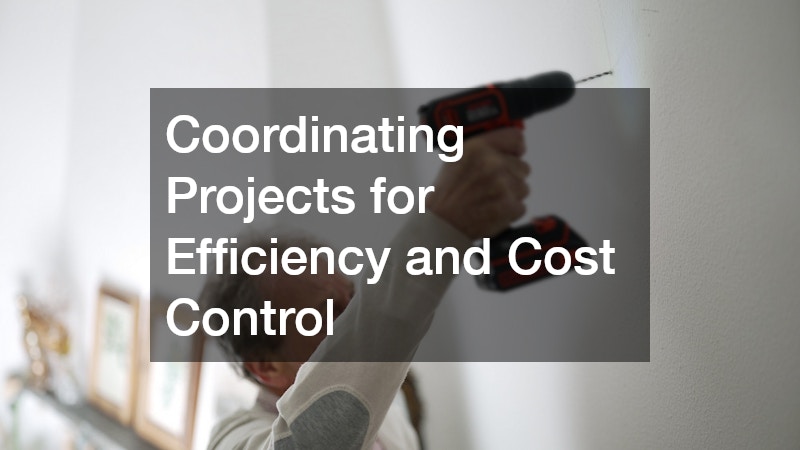
Coordinating Projects for Efficiency and Cost Control
Home improvement projects often involve multiple trades working on overlapping timelines. Without proper coordination, scheduling conflicts, miscommunication, and cost overruns can quickly derail progress. Engaging a general contractor helps centralize management and keeps every phase of the project aligned with the overall plan.
Effective coordination ensures that work is completed in the correct sequence. For example, structural changes should be completed before finishing work begins, and inspections must occur before walls are closed. A coordinated approach minimizes downtime and prevents costly rework.
Benefits of centralized project management include:
-
Streamlined communication between trades
-
Accurate budgeting and expense tracking
-
Consistent quality standards across all work
-
Timely scheduling of inspections and approvals
A general contractor also plays a critical role in ensuring compliance with local codes and regulations. Missed inspections or incomplete documentation can lead to delays or penalties. Central oversight reduces these risks and ensures accountability at every stage.
When projects are coordinated effectively, homeowners experience fewer disruptions and more predictable outcomes. The result is higher-quality workmanship, improved efficiency, and better overall value for the investment.
Maintaining Indoor Comfort Through Climate Control
Indoor comfort depends heavily on the performance of heating and cooling systems. Even small issues can lead to uneven temperatures, higher energy bills, or sudden system failures. Recognizing early warning signs allows homeowners to address problems before they escalate.
Common indicators that a system needs attention include inconsistent airflow, unusual noises, rising energy costs, or rooms that never reach a comfortable temperature. Scheduling timely ac repair prevents minor issues from turning into expensive breakdowns during peak seasons.
Preventive maintenance strategies include:
-
Replacing air filters regularly
-
Cleaning vents and registers
-
Checking thermostat calibration
-
Inspecting ductwork for leaks
A reliable ac repair service also helps improve energy efficiency by ensuring systems operate at optimal capacity. Well-maintained systems consume less energy, reduce wear on components, and maintain consistent indoor comfort.
Preparing climate systems for seasonal changes further protects performance. Pre-summer inspections reduce the risk of emergency failures, while post-season checkups help extend equipment lifespan. Proactive care supports comfort, reliability, and long-term savings.
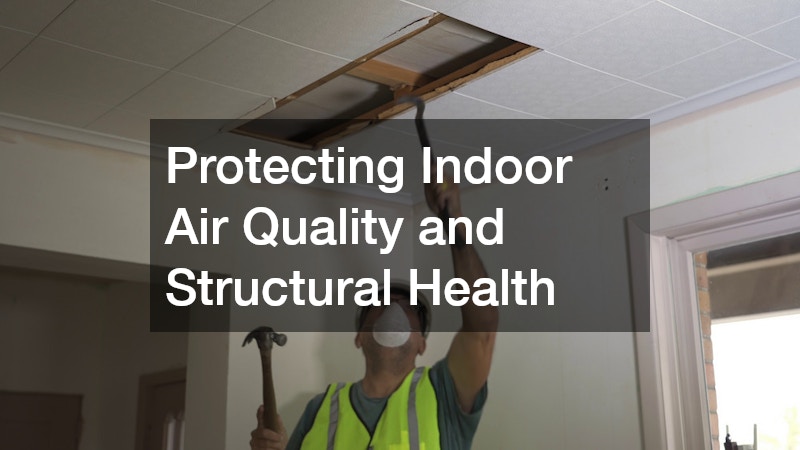
Protecting Indoor Air Quality and Structural Health
Indoor air quality is often overlooked until it becomes a serious problem. Moisture intrusion, poor ventilation, and unnoticed leaks can create conditions that allow mold to thrive. Addressing these issues promptly protects both health and structural integrity.
Signs of hidden moisture problems may include musty odors, discoloration on walls or ceilings, or unexplained allergy symptoms. A professional mold removal service not only eliminates existing growth but also identifies the underlying causes to prevent recurrence.
Health and structural risks associated with untreated mold include:
-
Respiratory irritation and allergic reactions
-
Compromised drywall, insulation, and framing
-
Reduced indoor air quality
-
Long-term damage to building materials
After remediation, preventive strategies are critical. Improving ventilation, sealing leaks, and managing humidity levels help maintain a healthy indoor environment. Integrating moisture control into renovation plans ensures that improvements don’t inadvertently trap moisture or worsen conditions.
Proactive air quality management supports occupant health, protects materials, and enhances overall home durability.
Preventing Water and Utility-Related Damage
Water and electrical systems are essential to daily life, yet they pose significant risks when neglected. Small issues such as slow leaks or flickering lights can signal deeper problems that worsen over time.
Timely plumbing repair prevents water damage that can weaken structures, promote mold growth, and damage finishes. Likewise, addressing electrical issues early reduces fire risks and ensures consistent power distribution throughout the home.
Warning signs homeowners should not ignore include:
-
Low water pressure or recurring clogs
-
Water stains on walls or ceilings
-
Tripping breakers or warm outlets
-
Unusual sounds from pipes or panels
During remodels, scheduling inspections for both systems helps identify outdated components and code deficiencies. A qualified professional can recommend upgrades that improve safety, efficiency, and reliability.
Working with a local electrical repair provider ensures familiarity with regional codes and inspection requirements. Coordinated updates protect walls, floors, appliances, and occupants from avoidable damage.
Strengthening Entry Points and Exterior Access
Entry points play a critical role in security, insulation, and daily convenience. Doors that are poorly sealed or outdated can compromise energy efficiency and create safety concerns. Gaps, worn weatherstripping, and weakened materials allow air infiltration, moisture intrusion, and unwanted noise, all of which affect comfort and utility costs. A well-planned garage door installation improves both functionality and curb appeal while reinforcing the home’s overall structural performance.
Modern systems offer enhanced insulation, quieter operation, and improved safety features. Advances in door construction now include reinforced panels, insulated cores, and smart technology that allows homeowners to monitor access remotely. Choosing durable materials ensures long-term performance in areas exposed to frequent use and weather fluctuations, particularly for garage doors that open multiple times each day. High-quality entry systems also reduce wear on mechanical components, lowering the risk of breakdowns and costly emergency repairs.
Key considerations when upgrading entry systems include:
Insulation values and weather resistance
Security features and locking mechanisms
Noise reduction for adjacent living spaces
Compatibility with exterior design
Beyond these factors, homeowners should evaluate ease of operation and long-term maintenance requirements. Smooth track systems, balanced springs, and quality hardware contribute to safer use and improved reliability. For front and side doors, reinforced frames and multi-point locking systems add an extra layer of protection without sacrificing appearance.
Routine maintenance, such as lubricating moving parts and inspecting seals, extends lifespan and prevents sudden failures. Periodic checks also help identify alignment issues, worn rollers, or compromised insulation before performance declines. Integrating entry upgrades into broader exterior plans ensures a cohesive appearance and consistent performance across the home envelope.
Strong, well-maintained access points contribute to comfort, security, and long-term value. By investing in modern, well-coordinated entry systems, homeowners create a safer, quieter, and more energy-efficient living environment that supports everyday use and enhances overall property appeal.
Enhancing Protection From Weather and the Elements
The roof is one of the most critical protective components of a home. Early signs of deterioration—such as missing shingles, leaks, or sagging areas—should be addressed promptly to prevent interior damage. Because the roof shields the structure from constant exposure to weather, even small problems can worsen quickly if ignored, leading to moisture intrusion, mold growth, and compromised framing.
Professional roofing services help homeowners evaluate material condition, insulation performance, and drainage effectiveness. Trained professionals can identify issues that may not be visible from the ground, such as flashing failures, underlayment wear, or ventilation imbalances. A well-maintained roof improves energy efficiency by regulating heat transfer and protecting insulation layers, helping stabilize indoor temperatures and reduce heating and cooling costs throughout the year.
When planning roof work, homeowners should consider:
Coordinating with exterior painting or siding projects
Selecting materials suited to climate conditions
Balancing aesthetics with durability
Scheduling preventive inspections
Planning roofing improvements alongside other exterior upgrades minimizes disruptions and ensures a cohesive appearance. Material selection is especially important, as regional weather patterns influence performance and longevity. High-quality materials designed for wind, heat, or heavy rainfall can significantly extend a roof’s lifespan while reducing maintenance needs.
Regular inspections help identify minor issues before they escalate into costly repairs. Seasonal checkups after storms or extreme weather events are particularly valuable, as they allow homeowners to address damage early. Proactive care protects interior finishes, structural components, and overall home value by preventing long-term deterioration.
Investing in weather protection strengthens resilience and ensures long-term performance. A sound roofing system provides peace of mind, supports energy efficiency, and safeguards the home against unpredictable environmental conditions for years to come.
Integrated home improvement is about more than completing individual projects—it’s about creating a living environment that supports comfort, safety, and long-term value. When upgrades are planned strategically and executed with coordination in mind, homeowners reduce risks, improve efficiency, and achieve more durable results. Rather than addressing issues in isolation, an integrated approach ensures that each improvement strengthens the overall performance of the home.
A holistic approach allows each improvement to complement the next, ensuring systems work together rather than against one another. Electrical upgrades align with modern appliances, insulation enhancements support heating and cooling efficiency, and structural improvements reinforce long-term stability. This interconnected planning helps prevent redundant work, unexpected conflicts, and costly revisions that often arise when projects are handled independently. Over time, these efficiencies translate into measurable savings and a more reliable living space.
This mindset also encourages proactive maintenance and informed decision-making. Homeowners who view their property as an interconnected system are more likely to anticipate future needs, schedule timely inspections, and invest in solutions that address root causes rather than surface-level symptoms. Preventive care minimizes emergency repairs, extends the lifespan of key components, and reduces the stress associated with sudden failures or safety concerns.
Equally important, integrated home improvement supports adaptability. As household needs change—whether due to growing families, aging in place, or evolving technology—a coordinated home is better equipped to accommodate upgrades without disruption. Smart planning today creates flexibility for tomorrow, allowing homeowners to adjust layouts, systems, and features without extensive rework.
By prioritizing planning, collaboration, and preventive care, homeowners can protect their property while enhancing everyday comfort. Thoughtful upgrades today create resilient, efficient homes that continue to deliver value for years to come, offering peace of mind and a stronger foundation for long-term living.